Contractor or employee? How to classify the people you pay
The IRS test, the stricter Illinois test for unemployment insurance, the new $2,000 threshold for Form 1099-NEC, and what to collect before the first payment.

Daniel Prewitt, Enrolled agent (EA) Sample
Published · 7 min read
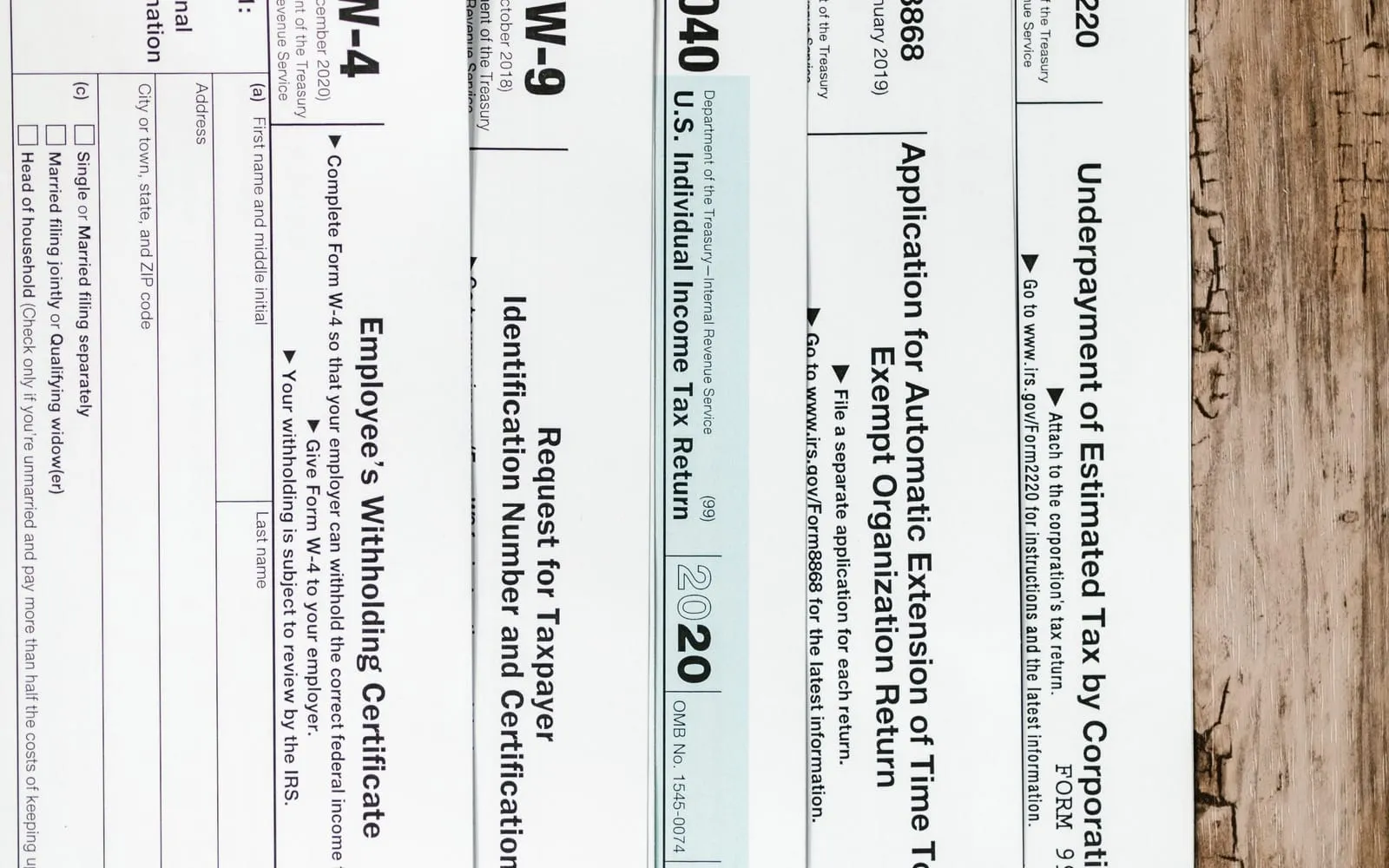
Paying someone as a contractor is simpler than adding them to payroll: no withholding, no unemployment insurance, no workers’ compensation premium. That is why the choice gets audited. If the person is an employee under the rules, the business owes the payroll tax it skipped, plus penalties and interest.
The label in your agreement does not decide it. How the work is done does.
The IRS test
The IRS looks at three groups of facts about the working relationship.
- Behavioral control. Do you decide how, when and where the work is done, or only what the finished result must be? Training someone in your methods points toward employee.
- Financial control. Does the person have their own tools, other clients, a chance of profit or loss, and invoices you rather than clocking hours? Those point toward contractor.
- Type of relationship. Benefits, an open-ended arrangement and work that is a core part of what your business sells all point toward employee.
No single fact settles it. A bookkeeper who works for six other businesses, sets her own hours and sends a monthly invoice is usually a contractor. A front-desk person who works your schedule at your counter is usually an employee, even part time.
If you cannot tell, Form SS-8 asks the IRS for a determination. It is slow, so most owners ask us first. For a first read on one person, try our seven-question contractor or employee check.
Illinois is stricter for unemployment insurance
For state unemployment insurance, the Illinois Department of Employment Security (IDES) uses an ABC test. A worker is an employee unless all three are true:
- A: the person is free from your control and direction in doing the work,
- B: the work is outside the usual course of your business, or done away from all of your places of business, and
- C: the person runs an independently established trade or business of their own.
Part B catches many small businesses. A salon paying a stylist, or a landscaping company paying a crew member, will have trouble showing the work falls outside its usual business. Construction has a separate law, the Illinois Employee Classification Act, which presumes workers are employees unless the contractor clears its own test.
Before the first payment: get a W-9
Ask every contractor for a signed Form W-9 before you pay them. It gives you their legal name, tax ID number and entity type. Without it you may have to hold back 24% of each payment as backup withholding, and January becomes a chase for numbers.
Keep the W-9 with the vendor record in your bookkeeping system.
Filing Form 1099-NEC
For payments made in 2026, you file Form 1099-NEC for each contractor you paid $2,000 or more for services during the year. The threshold was $600 for many years; the 2025 federal tax law raised it starting with 2026 payments and indexes it to inflation after that.
- Send the form to the contractor and file it with the IRS by February 1, 2027 (January 31 falls on a Sunday).
- Payments to most corporations are left out. Payments to attorneys are reported whatever their entity type.
- Payments you made by credit card or through a payment app are reported by the card company or app on Form 1099-K, so they are left off your 1099-NEC.
Track contractor payments by vendor through the year so the January total is one report.
If you got it wrong
Fix it going forward first: move the person onto payroll from the next pay period. For past years, the IRS Voluntary Classification Settlement Program lets an eligible business reclassify workers and pay a reduced amount on the past year’s federal employment taxes. It has conditions, including that you have treated the workers as contractors consistently and filed 1099s for them, so it is worth a conversation before you apply.
Our usual advice
When a role is ongoing, scheduled by you and part of what your customers pay for, put it on payroll. The cost difference is often smaller than owners expect once workers’ compensation and unemployment insurance are priced, and the audit risk goes away.
General information, not tax advice for your situation. This article explains rules as they stood on its last update date. Tax law changes, and the right answer for your business depends on facts we would need to see. Full disclaimer.